
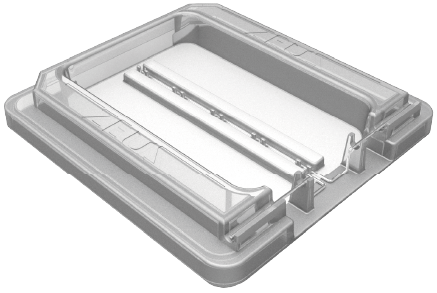
Electro Dish
Single-use sterile petri dish with integrated metal electrodes and four separate cell pools, specifically used for verification during oocyte manipulation.
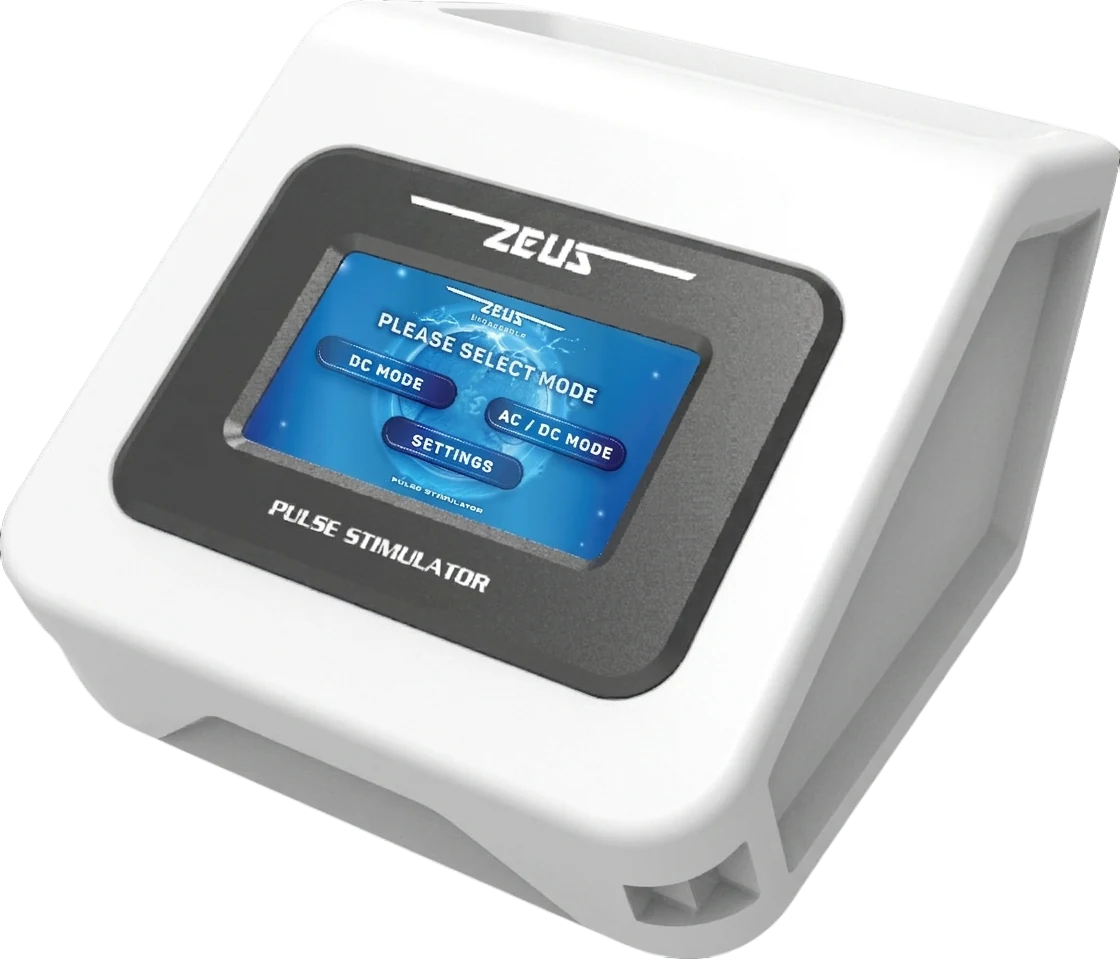
ZEUS Pulse Stimulator delivers non-toxic oocyte activation to improve fertilization outcomes in cases such as low or total fertilization failure and severe male factor cases.
Pulse Stimulator
The Zeus Pulse Stimulator is an advanced piezoelectric oocyte activation system that uses controlled electroporation to deliver precisely regulated electrical pulses, triggering the physiological-like calcium signaling necessary for fertilization. It is specifically indicated for challenging IVF cases such as Total Fertilization Failure, severe male factor infertility, and Round Spermatid Injection. The device offers two distinct clinical protocols, including a DC Mode for standard pre/post-ICSI use and an AC/DC Mode optimized for ROSI purpose.
Clinical Indications
An electrical oocyte activation technology designed for critical selected cases in which fertilization may be affected by insufficient oocyte activation.
The ZEUS Pulse Stimulator applies the principle of electroporation: a precisely controlled electrical field creates reversible pores in the oocyte membrane, triggering the calcium cascade essential for fertilization.
ZEUS Piezo Pulse StimulatorMechanism
How the calcium signal that starts embryo development differs between natural fertilization, ICSI alone and ICSI combined with piezoelectric activation.
Chemical agents (e.g. ionomycin) typically produce a single, large Ca²⁺ spike, monophasic and non-physiological. Electroporation produces repetitive oscillatory Ca²⁺ waves, more closely mimicking natural fertilization.
Human Reproduction · 2023 · 38(11): 2062–2104
“Artificial oocyte activation is recommended for complete activation failure (0% 2PN), very low fertilization (<30% fertilization), or globozoospermia.”
Research in Oocyte Activation
Peer-reviewed clinical research on electrical and piezoelectric oocyte activation, including studies by Prof. Dr. Volkan Baltacı and colleagues.
Clinical research by Baltacı and colleagues investigated piezoelectric stimulation in selected patients with previous total fertilization failure.
8 publications · 1999–2026
 PDF · 2018Tanaka et al. (2018) – 90 Babies Born After ROSI & Piezo Activation
 PDF · 2022Kashir et al. (2022) – Oocyte Activation Deficiency & AOA Clinical Review
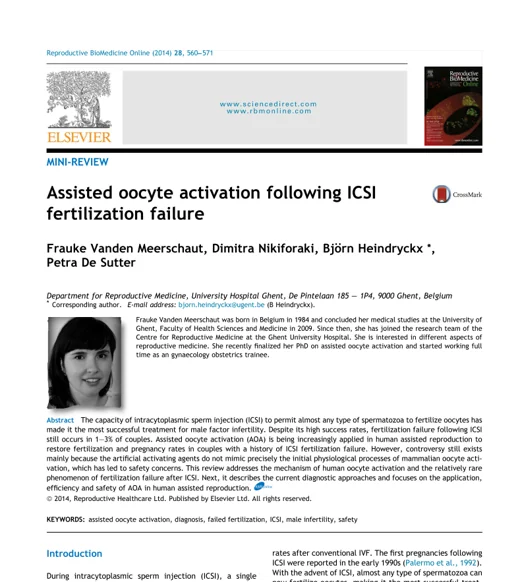 PDF · 2014Ghent University Study (2014) – Assisted Oocyte Activation Following ICSI
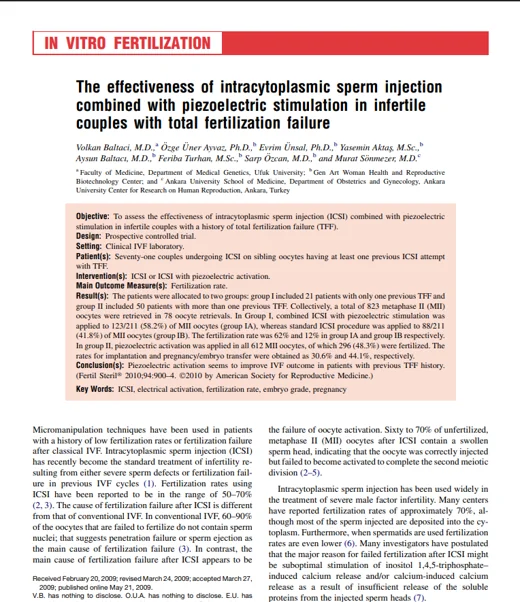 PDF · 2010Baltacı et al. (2010) – ICSI Combined with Piezoelectric Stimulation
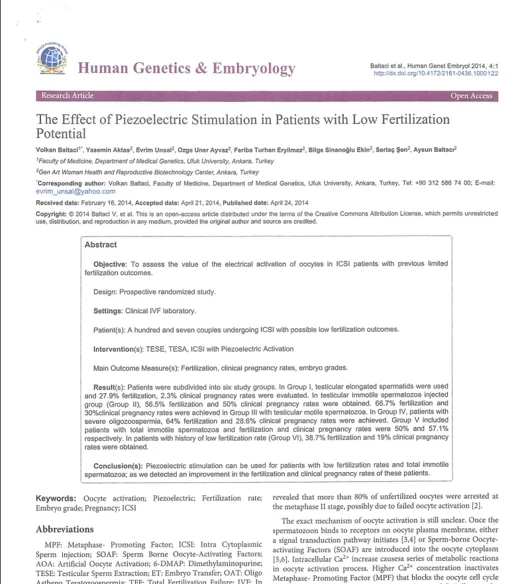 PDF · 2014Baltacı et al. (2014) – Piezoelectric Activation in Human Genetics & Embryology
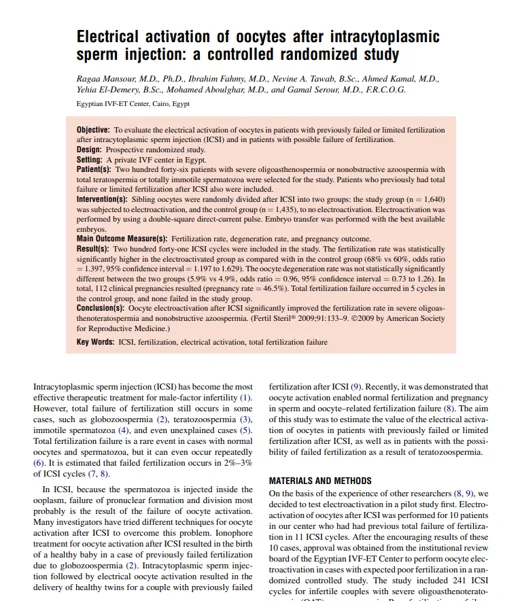 PDF · 2009Mansour et al. (2009) – Electrical Activation of Oocytes After ICSI
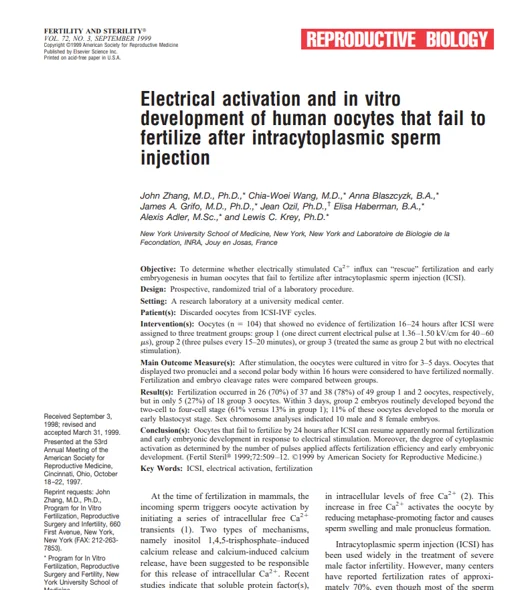 PDF · 1999Zhang et al. (1999) – Electrical Activation & In Vitro Development
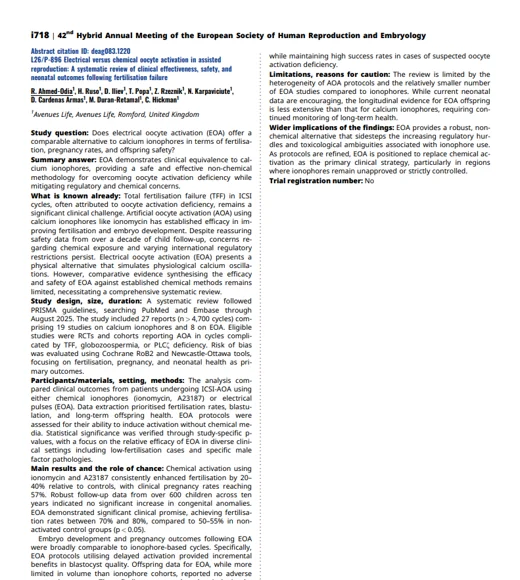 PDF · 2026Ahmed-Odia et al. (2026) – Electrical vs. Chemical Oocyte Activation in Assisted Reproduction
Essential Supplies
Purpose-built consumables designed for use with the Pulse Stimulator (ZPS 26).
Single-use sterile petri dish with integrated metal electrodes and four separate cell pools, specifically used for verification during oocyte manipulation.
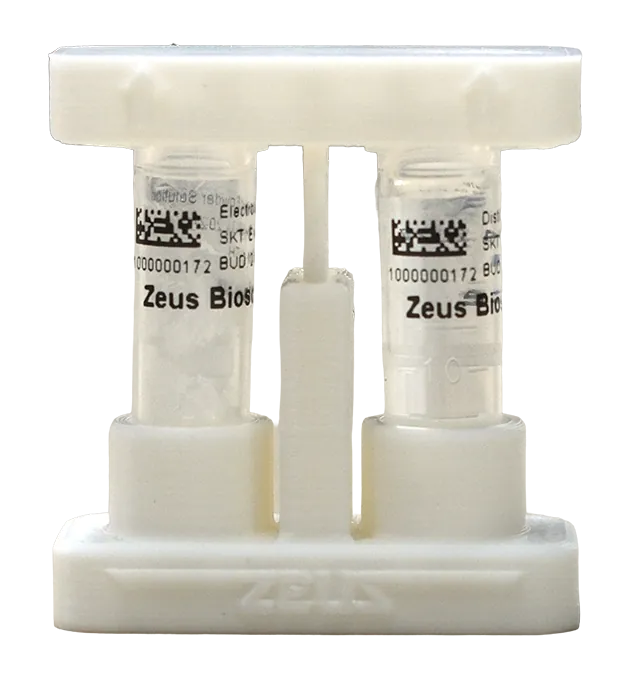
Sterile electrolyte formulation supplied in powder form for preparation prior to use, designed to support controlled electrical conductivity during electroporation procedures.
Global Insights
What does the global embryology community say about Piezo?
Short interviews with embryologists and clinicians on piezo-electric artificial oocyte activation in daily IVF practice.
Watch on YouTubeYouTube Shorts